Welcome to Amani

This site contains information about alcoholic beverages. You must be of legal drinking age in your country to enter.

Are you 18 years or older?

By entering you agree to our Terms of Use and Privacy Policy. Please enjoy responsibly.

Come back when you're ready

You must be 18 or older to view this site.

Education

Learn about gin

Gin has centuries of history, craft, and ritual behind it. Here's where to start — curated from some of the best drinks educators around, alongside a few things worth knowing about our own bottle.

01 — What Is Gin?

Start here.

Before you pour anything, it helps to know what actually makes a gin a gin. WSET's Will Lowe covers it better in three minutes than most books do in a chapter — production, botanicals, and the categories that separate a London Dry from everything else, including Amani.

WSET 3 Minute Spirit School — Gin
WSET
3 Minute Spirit School — Gin

Master Distiller Will Lowe on production, botanicals, and gin's categories, in under three minutes.

02 — How Gin Is Made

Grain to bottle.

Amani starts the same way every gin does: a neutral spirit, water, and a careful hand with botanicals. This classic explainer walks through the distillation process step by step — the long way round, the way small batches still get made.

How It's Made: Gin
Science Channel
How It's Made: Gin

A behind-the-scenes look at gin production, from the classic "How It's Made" series.

03 — The History of Gin

From medicine cabinet to marble bar.

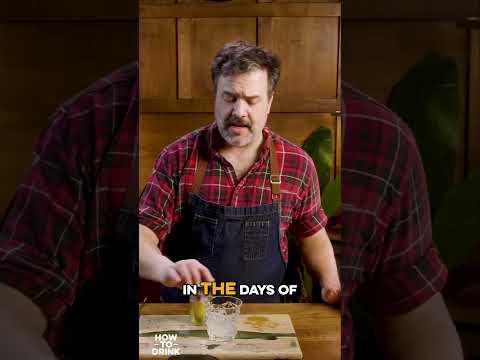
Gin's story runs from Dutch medicine cabinets to London's 18th-century Gin Craze to the glass in your hand tonight. It's a genuinely strange history — worth knowing before your next round.

History of the Gin & Tonic
How to Drink
History of the Gin & Tonic

How a malaria treatment became one of the world's most-ordered drinks.

Want more? We've collected 20 more accurate gin & tonic facts on our Fun Facts page.

04 — Understanding Botanicals

What's actually in the glass.

Every gin starts with juniper — it's the one legal requirement — and builds outward from there. Amani's profile is juniper-forward with citrus and warm spice underneath. Here's a quick primer on the botanicals that show up most often.

The 6 Most Common Gin Botanicals
Independent spirits education
The 6 Most Common Gin Botanicals

A quick tour of the botanicals that show up in almost every gin, ours included.

A Quick Glossary

Four botanicals worth knowing

Juniper

The one non-negotiable. Piney, resinous, and legally required — no juniper, no gin.

Coriander Seed

Gin's second-most common botanical. Adds citrusy, slightly spiced warmth underneath the juniper.

Angelica Root

Earthy and dry. Works quietly in the background, binding the other aromas together.

Citrus Peel

Lemon and orange peel bring brightness — the lift that keeps a gin from tasting flat.

05 — Classic Gin Cocktails

The five every gin drinker should know.

We've already written out six Amani recipes with exact ml measurements — start there if you're pouring tonight. For the wider classics, this is a solid five-minute primer.

5 Gin Drinks Every Adult Should Know
How to Drink
5 Gin Drinks Every Adult Should Know

Five classic gin cocktails, demonstrated start to finish.

06 — Gin Tips & Tricks

Small details, better drinks.

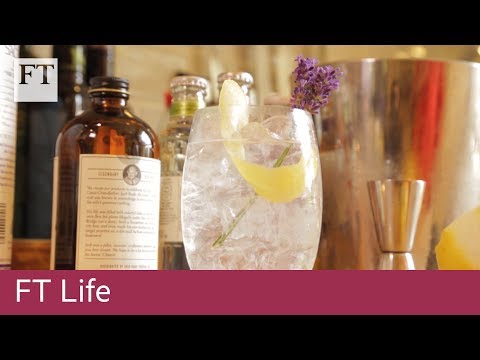
Ratio, ice, and pour technique matter more than people think. This short guide covers the details that separate a good gin and tonic from a great one.

How to make a gin and tonic
Financial Times
How to... make a gin & tonic

FT drinks writer Alice Lascelles on getting your G&T technique right.

A Reminder

Learn the craft, drink it responsibly.

Amani Gin is a proud AWARE.org member — supporting responsible alcohol use. Please pace yourselves, drink water alongside, and never drink and drive.